Calavera Catrina from Mexico: A Designer's Review
As someone who spends hours hunched over an embroidery hoop, testing files on everything from stiff denim to delicate silk, I approach every new machine embroidery design with a mix of excitement and skepticism. When I first pulled up the Calavera Catrina from Mexico file on my screen, the immediate reaction was one of appreciation for its cultural weight and visual elegance. This isn't just a spooky graphic; it is a tribute to a rich tradition, and translating that into thread requires a design that respects the source material while standing up to the mechanical realities of modern embroidery machines.
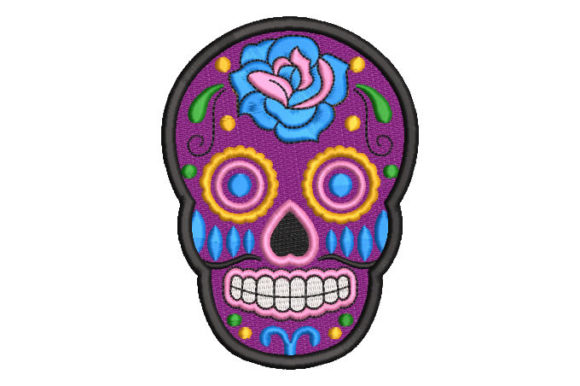
The first thing that strikes you about this embroidery file is its mood. It captures the whimsical yet solemn spirit of the Day of the Dead without leaning too heavily into cheap horror tropes often associated with Halloween. The layout feels balanced, with a clear focal point in the skull's facial features, surrounded by intricate floral or decorative elements that frame the face beautifully. For a designer, this visual personality suggests versatility. It doesn't scream "party decoration"; instead, it whispers "boutique fashion," making it an ideal candidate for higher-end custom apparel or thoughtful personalized gifts.
Real-World Application: The Tote Bag Test
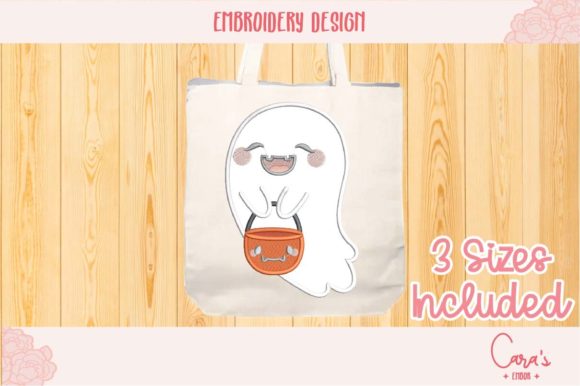
To truly understand how Calavera Catrina from Mexico performs, I envisioned a specific real-life scenario: creating a limited run of canvas tote bags for a local art gallery's autumn event. Canvas is a forgiving fabric, but it has a distinct weave that can sometimes swallow fine details. Upon stitching a sample, the design held up remarkably well. The transition between the satin stitch outlines and the fill stitch areas within the skull was smooth, avoiding the jagged edges that plague lower-quality digitizing.
Imagine a customer walking into your small shop product display and seeing this design on a high-quality sweatshirt. The finished product exudes professionalism. The density of the stitching gives the image a tactile richness that flat printing simply cannot achieve. For an Etsy seller or a creative entrepreneur, this kind of texture adds perceived value. It transforms a standard garment into a piece of wearable art. Whether used for sweatshirt embroidery, a sturdy apron, or even a decorative pillow cover, the design maintains its integrity, ensuring that the recipient feels they are receiving something special and handmade.
Navigating Fabric Challenges and Stitch Density
However, no design is universally perfect for every situation, and practical judgment is key. While Calavera Catrina from Mexico is described as suitable for "any type of fabric," an experienced eye knows to proceed with caution on certain materials. If you are planning to use this on stretchy fabrics like jersey knits for baby embroidery projects, the stitch density becomes a critical factor. Dense designs can restrict the natural give of the fabric, leading to puckering or discomfort against sensitive skin. In these cases, testing on scrap fabric with the appropriate stabilizer is non-negotiable.
Similarly, textured fabrics like heavy wool or looped towels can obscure fine details. The intricate lines around the eyes or the floral accents might get lost if the fabric pile is too high. For curved surfaces like caps, the layout needs to be centered perfectly to avoid distortion during the hooping process. If the design includes very small, tight corners, ensure your machine's trim function is sharp, or be prepared to do some manual cleanup with snips to keep the lines crisp. Always check the hoop size requirements against your machine's capabilities before committing to a large production run.
Color Strategy and Visual Impact
The beauty of this design lies in its potential for color play. While traditional Catrinas are often depicted in black and white or vibrant neon hues, this digital embroidery file offers a fantastic base for experimenting with thread colors. For a subtle, sophisticated look suitable for everyday wear, consider using monochromatic threads—perhaps varying shades of grey or charcoal on a black hoodie. This creates a tone-on-tone effect that is trendy and understated.
Conversely, for a bold holiday embroidery statement or a standout piece for a craft fair, high-contrast colors work wonders. White thread on dark navy or deep purple fabric makes the Calavera pop, enhancing the visual appeal and ensuring the design is recognizable from a distance. This clarity is crucial for brand consistency if you are using the design as part of a larger collection. It builds customer trust because the imagery is sharp and deliberate, not muddy or confused.
Commercial Viability and Designer Notes
For those running a craft business, the commercial potential of Calavera Catrina from Mexico is significant. It fits perfectly into the niche of cultural appreciation and seasonal decor. However, before listing items on Etsy or selling at a boutique, you must verify the licensing terms. The product description mentions it comes with "multi," likely referring to multiple sizes or formats, but it does not explicitly state the license type. Always confirm whether the file allows for unlimited physical sales or if there are restrictions on digital redistribution.
Here are a few practical steps I recommend before launching this design in a commercial setting:
- Test on Scrap First: Never skip the test stitch-out. Check how the design behaves on the specific fabric blend you intend to sell.
- Review Contrast: View your mockups in black and white to ensure the design reads clearly even without color cues.
- Check Small Details: Inspect tiny lettering or fine lines under magnification to ensure they won't break down after washing.
- Stabilizer Selection: Match your stabilizer to the fabric weight; a heavy design on light fabric needs robust support to prevent sagging.
- Wash Testing: Run a stitched sample through a wash cycle to check for thread bleeding or fabric distortion, ensuring longevity for the buyer.
In conclusion, Calavera Catrina from Mexico is a robust and aesthetically pleasing choice for designers looking to add depth to their portfolio. It bridges the gap between festive Halloween themes and respectful cultural artistry. When executed with the right materials and attention to detail, it elevates simple items like tote bags and tees into cherished keepsakes. For the handmade product creator, it offers a reliable foundation for building a collection that resonates with customers seeking quality and meaning in their purchases.