Bigfoot with Tree: A Festive Wild Animals Embroidery Review
As an embroidery designer preparing for the upcoming weekend craft fair, my table is currently covered in prototypes, scrap fabric, and half-finished tote bags. The goal is always the same: curate a collection of handmade products that stop customers in their tracks. This year, I am testing a new addition to my booth lineup called Bigfoot with Tree. At first glance, this machine embroidery design feels like a perfect blend of rustic charm and holiday whimsy. It falls squarely into the Wild Animals category but twists it into something festive and unexpected. For any Etsy seller or boutique maker looking to stand out, understanding how a design like this performs in the real world is crucial before committing to batch production.
First Impressions and Visual Appeal
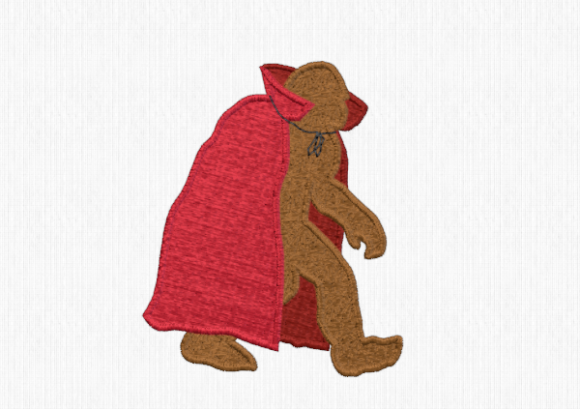
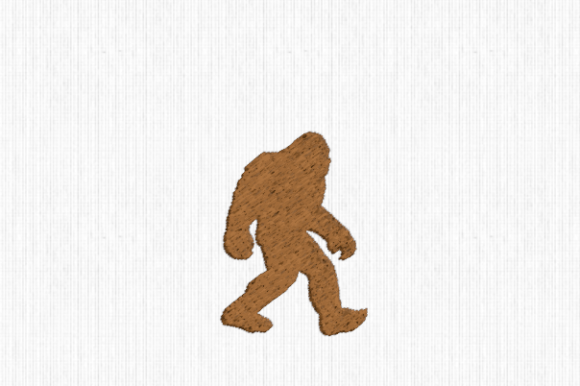
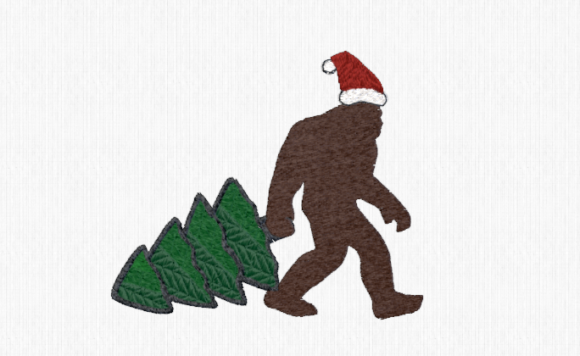
When I pulled up the digital embroidery file on my screen, the immediate vibe was "rustic funny." It is not elegant in a traditional sense, nor is it overly minimal. Instead, Bigfoot with Tree leans heavily into the farmhouse and novelty aesthetic that sells incredibly well at local markets. The concept of a legendary cryptid holding a Christmas tree creates an instant narrative. Customers love a story, and this design tells one without saying a word. It feels bold enough to be a focal point but simple enough to work as a charming accent. The visual appeal lies in its uniqueness; while there are hundreds of standard snowflake or reindeer designs available, a Bigfoot theme offers a conversation starter that can drive buyer engagement at a crowded booth.
Product Suitability and Market Placement
The true test of any embroidery file is how it translates onto physical goods. I evaluated Bigfoot with Tree across several potential craft fair products to see where it shines brightest.
- Tote Bags and Market Bags: This is likely the strongest contender. A canvas tote provides a flat, stable surface that allows the details of the Bigfoot figure to remain clear. As a tote bag design, it appeals to shoppers looking for reusable bags with personality.
- Aprons and Tea Towels: For kitchen textiles, this design adds a touch of humor. Apron embroidery needs to be durable, and tea towel embroidery requires careful attention to fabric texture. On a waffle-weave towel, the finer details might get lost, so a smoother linen blend would be preferable.
- Patches and Pouches: Creating an embroidered patch with this motif could be a huge hit for younger demographics or hikers. Small fabric pouches also work well, provided the design is scaled correctly to fit the front panel without crowding the zipper.
- Caps and Pillow Covers: While possible, these require more caution. Curved cap surfaces can distort the image if the stitch density is too high, and pillow covers need the design centered perfectly to look professional.
For a small shop product line, consistency is key. If you choose to put Bigfoot with Tree on everything from oven mitts to wall hangings, ensure the scaling remains appropriate for each item's dimensions.
Production Practicalities for the Busy Maker
When running a business, time is money. One of the biggest advantages of Bigfoot with Tree is its potential for repeatability. If the design does not have excessive jump stitches or complex color changes, it becomes an ideal candidate for batch production. You can hoop multiple aprons or tote bags and let your machine run while you manage other aspects of your commercial embroidery workflow. However, practical selling points go beyond speed. The design must be understandable at a glance. From three feet away, does the silhouette read clearly? If the tree blends too much into the Bigfoot fur due to poor thread colors selection, the impact is lost. High contrast is essential for capturing attention in a busy market environment.
Photography is another critical factor. For online listings, this design photographs well because the subject matter is distinct. When creating a printable mockup or taking photos of your finished product, ensure the lighting highlights the texture of the stitches. Flat lighting can make embroidery look like a print, whereas side lighting emphasizes the handmade quality that justifies a higher price point.
Critical Considerations and Careful Use
Despite its charm, there are technical hurdles to consider. Before mass-producing, you must address specific material challenges:
- Fabric Texture: Avoid using this design on highly textured fabrics like thick terry cloth or rough burlap unless you use a heavy topping stabilizer. The intricate details of the tree branches may sink into the pile and become invisible.
- Stitch Density: Check the stitch density of the Bigfoot fur area. If it is too dense, it can cause puckering on lightweight fabrics or make the finished item stiff and uncomfortable to wear.
- Dark Fabrics: If stitching on dark navy or black fabric, ensure the design includes underlay stitches or suggests specific thread weights to prevent the background fabric from showing through gaps in the stitching.
- Small Details: Tiny elements, such as ornaments on the tree or facial features on Bigfoot, may lose clarity if the design is resized too small. Always respect the minimum recommended size.
Additionally, curved surfaces like caps require a specific approach. The distortion inherent in embroidering on a curve means that circular or wide designs often need adjustment. Test thoroughly on a scrap cap before offering it as a final product.
Designer Notes for Success
To ensure Bigfoot with Tree becomes a bestseller rather than a booth flop, follow these professional steps. First, always test the design on scrap fabric that matches your intended product material. This reveals issues with tension and registration before you ruin expensive inventory. Second, check thread contrast meticulously. A brown Bigfoot against a green tree might look muddy; consider using a lighter tan or grey thread to separate the character from the foliage. Third, review spacing between elements to ensure they don't merge during stitching.
You must also confirm hoop size requirements. If the design is larger than your standard hoop, you will need to plan for multi-hooping or invest in a larger frame, which affects production speed. Regarding stabilizer, choose one that matches the weight of your fabric; cut-away stabilizer is generally safer for items that will be washed frequently, like aprons and tea towels. Finally, create at least one real mockup to display at your booth. Customers are more likely to buy a tangible example than to imagine the result from a digital image.
Lastly, a crucial reminder for all digital sellers and crafters: verify the licensing terms. The description states this is a unique design, but you must confirm commercial licensing before selling finished products. Do not assume the file includes unlimited commercial rights unless explicitly stated. By paying attention to these details, Bigfoot with Tree can transform from a simple design asset into a profitable cornerstone of your holiday collection, bringing a touch of legendary fun to your handmade brand.