Candy Ghost Review: A Sweet Halloween Embroidery Hit
As an embroidery designer preparing for the upcoming weekend craft fair, my table strategy relies heavily on impulse buys and visual pop. When I pulled up the Candy Ghost machine embroidery design, my first instinct was that this piece hits the perfect balance between spooky and adorable. In a market saturated with generic jack-o'-lanterns and scary skulls, a "candy" themed ghost offers a softer, more approachable aesthetic that appeals to a wider demographic, from young parents to boutique owners looking for whimsical decor. The title alone suggests a playful vibe, and upon reviewing the file details, it is clear this digital embroidery file was built with quality in mind. The note stating that resizing or editing is not recommended immediately tells me that the stitch density and spacing have been optimized specifically for the intended size. This is a crucial detail for us Etsy sellers and craft fair vendors because altering a tested design often leads to thread breaks or loss of definition.
Visual Impact and Booth Display Strategy
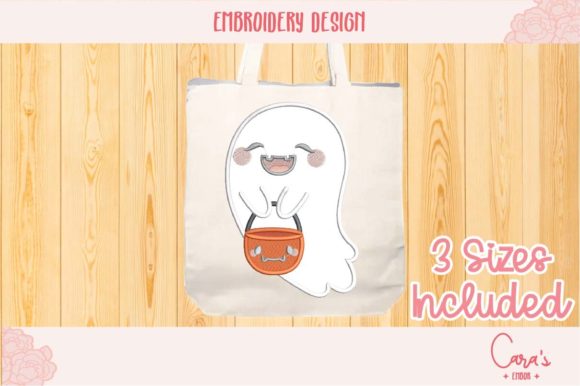
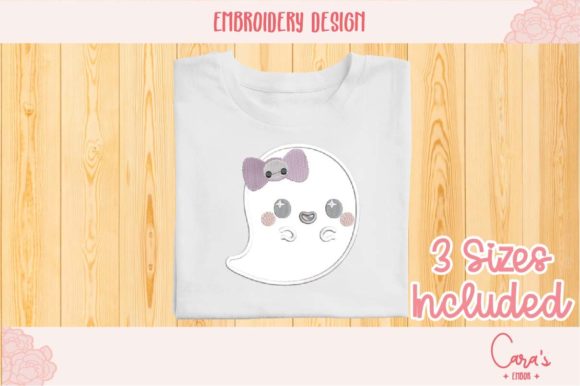
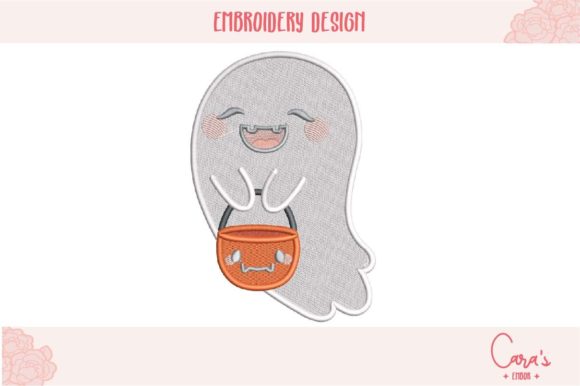
The first impression of Candy Ghost is undeniably cute and festive. It feels modern yet timeless, avoiding the overly rustic farmhouse trend in favor of something brighter and more graphic. For a craft fair booth, visual clarity at a glance is everything. Customers walking past your table have seconds to decide whether to stop. This design works exceptionally well as a focal point on medium-sized items. I can envision it centered on a natural canvas tote bag design, where the contrast of white or pastel threads against the beige fabric creates an instant draw. It is bold enough to be seen from three feet away but detailed enough to invite a closer look.
When considering how this performs across different products, the versatility is impressive. On an apron embroidery project, placed on the bib or the lower pocket, it adds a touch of seasonal fun to a functional item. For tea towel embroidery, it serves as a charming accent that transforms a standard kitchen linen into a giftable handmade product. However, one must be mindful of the warning against resizing. If you attempt to shrink this for a tiny embroidered patch or a small coin pouch, you risk losing the clarity of the ghost's features. It shines best when allowed to breathe on surfaces like pillow covers or market bags where the stitch work can remain crisp.
Production Practicality for Small Shop Owners
For those of us running a small shop product line, batch production efficiency is key. Since the design has been tested and reviewed to ensure top quality, it should run smoothly on commercial machines, provided the setup is correct. The instruction to "test stitch the design, or portions of it, before stitching it onto your final item" is not just a formality; it is a vital step for maintaining brand consistency. Before committing to a dozen tote bags, I would hooping scrap fabric identical to my final stock. This allows me to check the thread colors against the specific fabric dye lot. A ghost that looks vibrant on white cotton might get lost on a heather grey blend.
Photography is another major factor for online listings. Candy Ghost photographs beautifully because of its likely high-contrast elements. Whether you are creating a printable mockup for your website or taking photos of your actual finished product, the clean lines should translate well to digital screens. This makes it an excellent asset for boosting engagement on social media platforms where visual appeal drives sales. For commercial embroidery purposes, the repeatability of this design means you can set up a production line with confidence, knowing the file won't unexpectedly shift or distort if handled according to the guidelines.
Navigating Fabric Textures and Technical Challenges
While the design is robust, the materials you choose will dictate the final outcome. The warning about not editing the design suggests that the stitch count and pull compensation are delicate. When working with textured towels or thick fabrics like denim caps, the needle penetration and fabric stability become critical. A curved cap surface, for instance, requires precise hooping and potentially a stronger stabilizer to prevent the design from puckering. If the ghost features fine details or small lettering (common in candy-themed fonts), these could easily disappear on a looped terry cloth towel. In such cases, using a water-soluble topper is essential to keep the stitches sitting on top of the texture rather than sinking in.
Dark fabrics present another consideration. If you plan to stitch Candy Ghost onto black hoodies or navy pillow covers, ensure your thread selection offers maximum contrast. A dull white thread on dark fabric can look gray and muddy under booth lighting. Furthermore, because resizing is discouraged, you must confirm the native hoop size fits your intended product. Trying to force a large design onto a small hat crown without proper scaling capabilities (which are advised against here) will result in a distorted mess. Always verify the dimensions of the original file against your hoop capabilities before purchasing or producing.
Maximizing Value and Customer Engagement
Ultimately, the success of Candy Ghost in your inventory comes down to perceived value. Handmade buyers are willing to pay a premium for items that look professional and unique. This design elevates a simple tote bag from a generic carrier to a seasonal statement piece. It enhances brand consistency by offering a cohesive look across your Halloween collection. When customers see a well-executed embroidery job with no loose threads or puckering, they associate that quality with your entire brand. This design encourages buyer engagement because it sparks conversation; it is unusual enough to prompt a "Where did you get that?" question, which is the golden ticket for closing a sale at a craft fair.
Before listing this as a craft fair product or adding it to your design assets for sale, double-check the licensing terms. Ensure you have the right to sell finished goods made with this file, especially if you are a high-volume seller. Create at least one real mockup to display on your table—perhaps a hanging wall decor piece or a sample apron—to show customers exactly what the stitch quality looks like in person. By respecting the designer's constraints regarding editing and testing, you protect your reputation and ensure that every Candy Ghost item leaving your studio is a testament to your skill as a creative entrepreneur. With the right fabric choices and careful attention to the technical notes, this design is poised to be a sweet success for your Halloween lineup.