Kawaii Style Sewing Machine: A Craft Fair Review
As an embroidery designer preparing for a busy weekend at the local craft fair, my table strategy is everything. I need designs that stop customers in their tracks, convey a clear mood instantly, and translate well across various handmade products. Today, I am reviewing the Kawaii Style Sewing Machine to see if it earns a spot on my hoop. This isn't just about whether the file runs smoothly; it is about whether this machine embroidery design will help me sell more tote bags, aprons, and gifts to browsers looking for something cheerful and unique.
First Impressions and Market Mood
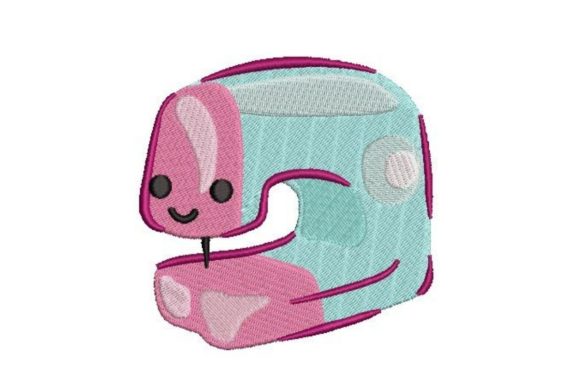
The moment I pulled up the preview for the Kawaii Style Sewing Machine, the vibe was unmistakable. It is not rustic, farmhouse, or elegant in a traditional sense. Instead, it radiates a soft, modern, and undeniably cute energy. The "kawaii" aesthetic relies on rounded lines, friendly proportions, and a sense of playfulness that appeals strongly to younger demographics and anyone who loves whimsical home decor. For a craft fair product, this is gold. In a sea of generic floral patterns and monograms, a design that feels like a character rather than just an image stands out. It promises to add a cheerful touch to any project, which is exactly the emotional hook needed to convert a browser into a buyer.
Product Versatility for the Booth
When setting up a booth, versatility is key. I evaluated how this digital embroidery file would perform on my standard inventory list:
- Tote Bags and Market Bags: This is likely the strongest contender for the Kawaii Style Sewing Machine. A large, centered design on a natural canvas tote creates an instant statement piece. The cute factor makes these bags highly giftable, a major sales driver at fairs.
- Apron Embroidery: Placing this design on the bib of a kitchen apron transforms a utilitarian item into a fun accessory for home bakers. It suggests that sewing and cooking are joyful hobbies, not chores.
- Tea Towel Embroidery: While popular, towels present a challenge due to fabric texture. The looped surface of a waffle or terry cloth towel can obscure fine details. If the design has dense areas, it might sink in too much, losing its crisp kawaii outline.
- Embroidered Patches: Creating iron-on patches is a fantastic way to offer a low-cost entry point for customers. A small version of this machine could be a best-seller for jacket customization.
- Caps and Pouches: These require careful consideration of the curved surface. If the design is too wide or has intricate bottom edges, it may distort on a structured cap.
Visual Appeal and Customer Engagement
In the context of a crowded marketplace, visual clarity is paramount. The Kawaii Style Sewing Machine works because it is easily understood at a glance. Customers do not need to squint to figure out what it is; the silhouette is iconic, and the style is immediately recognizable. This instant recognition reduces the cognitive load on the shopper, making the decision to purchase easier. Furthermore, this design photographs exceptionally well for Etsy seller listings and social media promotion. The bright, happy nature of kawaii art pops against neutral backgrounds, making it ideal for creating eye-catching printable mockup images before you even stitch the first thread. For a small shop product, having a design that looks good both in person and online doubles your marketing potential.
Production Realities and Technical Considerations
While the aesthetic is promising, a professional review must address the practicalities of production. Before committing to a batch of fifty tote bags, there are several technical factors to verify with the embroidery file provider.
First, consider stitch density. Kawaii styles often use solid fills to create a cartoon-like appearance. If the density is too high, the design may become stiff, especially on lighter fabrics like tea towels or linen blends. Conversely, if the density is too low, the fabric might show through, ruining the solid color blocks essential for this look. Second, pay attention to tiny details. Does the design include small eyes or minute stitching that might get lost when scaled down for a pouch or patch? Designs that lose clarity at smaller sizes limit your product range.
Thread contrast is another critical element. To maintain the cheerful vibe, you will need vibrant thread colors that stand out against your base fabric. On dark fabrics, ensure the design includes a sufficient underlay or border to prevent the background color from muddying the kawaii features. Additionally, since the description mentions multiple formats, ensure you select the correct hoop size for your specific machine to avoid unnecessary re-hooping or resizing that could distort the proportions.
Essential Pre-Production Checklist
To ensure the Kawaii Style Sewing Machine meets commercial standards, I recommend the following steps before listing it as a finished product:
- Test on Scrap Fabric: Always stitch a sample on the exact material you intend to sell. What looks good on polyester might pucker on cotton canvas.
- Check Stabilizer Compatibility: Given the potential for dense fills, using the right cut-away or tear-away stabilizer is crucial to maintain shape and prevent distortion after washing.
- Review Spacing and Satin Columns: Inspect the satin stitches for gaps or bird-nesting, which can detract from the premium feel of a handmade item.
- Verify Commercial Licensing: The description notes the file can be used for multiple purposes, but always confirm the specific terms for commercial embroidery to ensure you are legally protected when selling physical goods.
- Create a Real Mockup: Do not rely solely on digital previews. Stitch one real sample to judge the tactile quality and drape of the fabric.
Final Verdict for Handmade Sellers
The Kawaii Style Sewing Machine is a strong candidate for artisans looking to inject personality into their handmade product lines. Its strength lies in its ability to evoke joy and nostalgia, making it perfect for gift-oriented items like tote bags, aprons, and decorative pillows. However, success depends on execution. By carefully managing fabric choices, stabilizer types, and sizing, you can transform this design asset into a consistent revenue stream. For the Etsy seller or boutique maker, this design offers a fresh alternative to overused motifs, provided you respect the technical limitations of embroidery on textured or curved surfaces. If you can master the balance between cute aesthetics and durable construction, this design has the potential to be a standout star at your next market event.