Music Symbol: A Review for Embroidery Designers
As an embroidery designer who spends hours digitizing and stitching for both personal projects and commercial clients, I am always on the lookout for machine embroidery design files that balance aesthetic appeal with technical reliability. Recently, I came across the Music Symbol on Creative Fabrica, a product described as a cute and simple design perfect for music lovers. Before committing to using it in a real customer order, I wanted to evaluate whether this embroidery file holds up under the scrutiny of professional production. This review breaks down the visual mood, practical application, and commercial potential of this specific asset.
First Impressions and Visual Mood
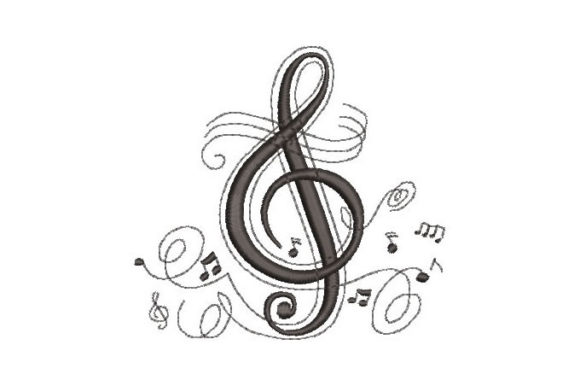
The first thing that stands out about the Music Symbol is its approachable personality. In the world of Creative Fabrica embroidery, many designs lean heavily into complex shading or excessive detail, which can sometimes overwhelm small items. This design, however, embraces simplicity. It features a clean silhouette that suggests a fun and easy stitch experience. The visual mood is playful yet classic, making it versatile enough for a child's onesie or a musician's tote bag.
From a decorative standpoint, the design relies on strong outlines and clear shapes. While the product description mentions it comes with multiple options, the core appeal lies in its ability to add personality to any fabric without dominating the canvas. For designers looking to create a cohesive collection, this type of graphic serves as an excellent anchor. It does not scream for attention but rather invites a closer look, which is often the hallmark of a well-balanced finished product.
Real-World Application Scenarios
When considering where to place the Music Symbol, the possibilities for custom apparel and home goods are extensive. I immediately envisioned this design on a canvas tote bag design intended for a local music festival. The simplicity of the symbol would pop against natural cotton, offering a boutique feel without the high cost of complex thread work.
For those running an Etsy shop or selling at craft fairs, this design fits perfectly into several niches:
- Sweatshirt embroidery: Placed on the left chest or sleeve, it creates a subtle, branded look for band merchandise or music teacher gifts.
- Baby items: The "cute" factor mentioned in the description makes it ideal for baby blankets or bibs, appealing to parents who want to introduce music early.
- Kitchen towels and aprons: A great addition for a "kitchen concert" theme or a gift for a hostess who loves to cook while listening to tunes.
- Embroidered patch: If stitched on twill with a merrow edge, this could be sold as a standalone patch for jackets or backpacks.
The versatility extends to commercial embroidery as well. Because the design is described as simple, it likely runs quickly, which is crucial when fulfilling bulk orders for school music programs or local choirs. Speed and clarity are key factors in maintaining profit margins on low-cost items like pencil cases or cap fronts.
Technical Considerations for Stitching
While the aesthetic is promising, a professional review must address the technical execution. The description notes that the design is "fun and easy to stitch," but we must consider how it performs on different materials. When working with stretchy fabric like jersey knits for t-shirts, the stitch density becomes critical. If the design uses heavy fill stitch areas, it could cause puckering. Conversely, if it relies mostly on satin stitch columns or running stitch details, it will lay flatter and move better with the fabric.
For dark fabric applications, thread color contrast is essential. A black music symbol on a navy sweatshirt might get lost unless the digitizer included a underlay or if the user selects a high-contrast thread palette. Similarly, when stitching on textured fabrics like towels, the small details of the symbol need to be large enough to remain distinct. If the lines are too thin, they may disappear into the loop of the towel.
Cap embroidery presents another challenge due to the curved surface. The Music Symbol would need to be centered carefully to avoid distortion. Since the product description does not specify the exact hoop size required, it is vital to check the file details on the product page. If the design is too large for a standard cap frame, you may need to resize it, which can affect stitch integrity. Always test on scrap fabric that matches your final material before starting a production run.
Enhancing Product Value and Brand Trust
In the handmade market, the perceived value of an item often hinges on the quality of the decoration. Using a clean, well-defined design like Music Symbol can significantly boost buyer trust. Customers associate crisp stitching with professionalism. Whether you are creating a personalized gift or building a line of printable mockup assets for digital sellers, the consistency of the design matters.
This design can help establish brand consistency if you are launching a music-themed collection. By pairing this symbol with complementary fonts or other musical elements, you create a recognizable visual language. Furthermore, for product photography, simple designs often photograph better than cluttered ones. They allow the texture of the fabric and the sheen of the thread to shine, resulting in images that drive customer engagement on social media platforms.
Practical Checklist Before You Stitch
To ensure the best results with the Music Symbol, I recommend following these steps before cutting into your good fabric:
- Verify File Details: Check the Creative Fabrica product page for specific file formats (PES, DST, EXP, etc.) to ensure compatibility with your machine.
- Review Licensing: Confirm the license terms regarding commercial use. Most Creative Fabrica subscriptions allow for selling finished physical items, but always double-check to protect your business.
- Select the Right Stabilizer: Match your stabilizer to your fabric. Use cut-away for stretchy garments and tear-away for stable wovens like pillow covers.
- Test Thread Colors: Run a test stitch-out to see how your chosen thread colors interact. Metallic threads might add a nice flair to a music note but can be prone to breaking if the tension is too tight.
- Inspect Small Details: After stitching, examine the small curves and corners. Ensure there are no bird nests or skipped stitches, which can happen if the design is scaled down too much.
Final Verdict
The Music Symbol appears to be a solid addition to any embroiderer's library, particularly for those focusing on lifestyle products and gifts. Its strength lies in its simplicity and adaptability across various substrates, from tote bags to sweatshirts. While the lack of specific technical data in the short description requires the user to perform due diligence regarding hoop sizes and stitch counts, the potential for creating high-quality, marketable items is significant.
For digital embroidery file collectors and small business owners, this design offers a low-risk, high-reward opportunity. It allows for quick turnaround times on custom orders while maintaining a polished, professional look. As long as you respect the technical limitations of your specific machine and fabric choices, the Music Symbol is ready to help you compose some beautiful stitched creations.