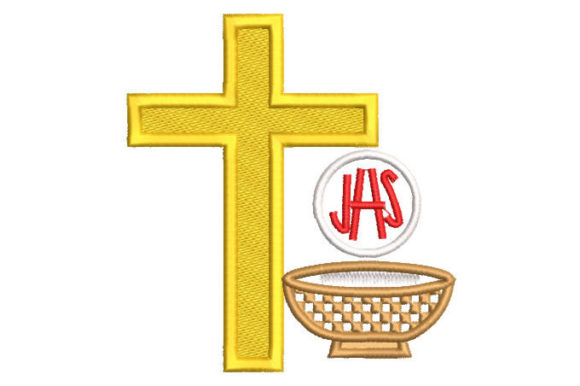
Reviewing JHS with Cross and Cup for Real Projects
As a designer who spends more time staring at stitch maps than finished garments, I have learned that not every machine embroidery design is created equal. Some look stunning on a screen but turn into a tangled mess of thread breaks and puckering on fabric. Others are workhorses—reliable, clean, and versatile. When I first loaded the JHS with Cross and Cup file into my software, I was looking for that specific balance of spiritual symbolism and technical feasibility. This is not just about aesthetics; it is about whether this design will hold up when you are trying to run a profitable craft business or create a meaningful personalized gift.
First Impressions: Symbolism Meets Stitch Logic
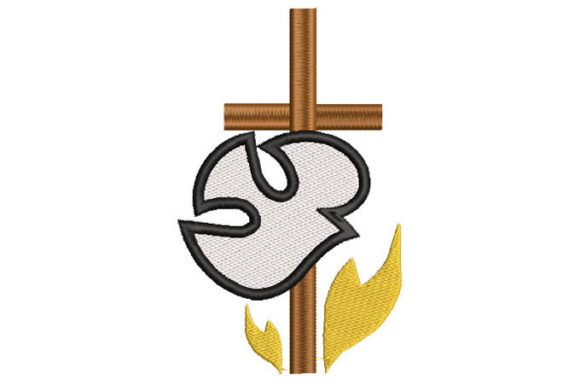
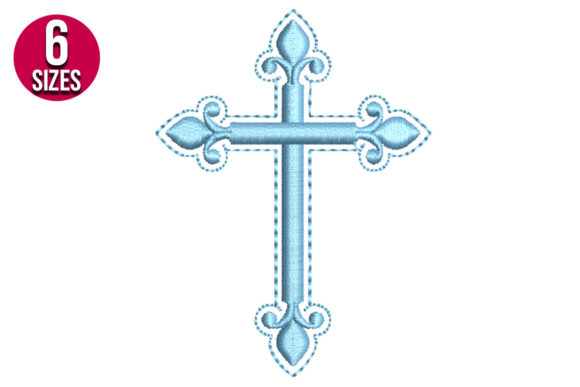
The JHS with Cross and Cup design carries a heavy visual weight, which is appropriate given its roots in Religion and traditional iconography. The monogram JHS, historically associated with the name of Jesus, paired with the cross and the chalice, creates an immediate sense of reverence. From a layout perspective, the composition is compact. This is crucial for Embroidery projects where space is limited, such as on a pocket, a cap, or a small embroidered patch.
What struck me initially was the clarity of the lines. In many religious designs, intricate details can get lost if the stitch density is too high or if the elements are too close together. Here, the separation between the letters and the symbolic elements like the cup and cross seems intentional. It suggests that the designer considered how the needle would penetrate the fabric. For a reviewer, this is the first green flag. It implies that the embroidery file was digitized with real-world production in mind, not just for a pretty preview image.
Real-World Application: The Tote Bag Test
To truly evaluate a design, you have to imagine it in use. I recently worked on a project for a local boutique that needed a line of canvas tote bag design options for their Easter collection. The client wanted something subtle yet unmistakably faith-based. This is where JHS with Cross and Cup shines. Because the design is self-contained, it does not require a massive hoop. I envisioned placing it slightly off-center on a natural cotton tote. The contrast of dark thread against the light canvas would make the symbols pop without looking overly aggressive.
Beyond totes, consider sweatshirt embroidery. A crewneck sweatshirt provides a stable, thick surface that handles fill stitch areas well. If this design uses solid fills for the cup or the background of the letters, a heavyweight fabric is ideal. It prevents the "sink-in" effect where stitches disappear into plush fabrics. For custom apparel like t-shirts, however, you would need to be more cautious. A thin jersey knit might pucker under the weight of the design unless you use a high-quality cut-away stabilizer. This is the kind of practical judgment that separates a hobbyist from a professional Etsy seller.
Navigating Fabric and Hoop Constraints
One of the most critical aspects of using any digital embroidery file is understanding its limitations. While JHS with Cross and Cup appears robust, you must consider the hoop size relative to the design dimensions. If you are working with a small 4x4 inch hoop, ensure the design fits comfortably with room for stabilization. Crowding a design near the edge of the hoop is a recipe for disaster, especially with curved surfaces like caps.
Speaking of caps, this design could work beautifully on a structured baseball cap, provided the curvature does not distort the straight lines of the cross. However, avoid using it on highly textured fabrics like thick terrycloth towels unless you use a topping. The thread colors you choose will also dictate success. For a holiday embroidery project, traditional gold or deep red threads might evoke a classic feel. For a modern small shop product, matte black or navy on white linen offers a contemporary, minimalist aesthetic. Always test your thread colors on scrap fabric first. What looks good on your monitor may lack contrast in real life.
Commercial Viability and Brand Consistency
For those running a craft business, consistency is key. When you sell a finished product, the quality of the stitching reflects directly on your brand. A clean, well-digitized design like JHS with Cross and Cup helps build customer trust. It shows attention to detail. Whether you are creating baby embroidery for christening gowns or appliqué design elements for church banners, the professionalism of the stitch out matters.
This design also serves well as a design asset for printable mockups. Before you commit to stitching fifty units for a craft fair, create a digital mockup. Place the design on various backgrounds to see how it interacts with different fabric texture simulations. This step saves time and materials. Furthermore, if you are selling the physical item, ensure you understand the licensing terms. Most designers allow you to sell finished physical items, but you cannot resell the embroidery file itself. Always confirm this before listing items on Etsy or your own website.
Technical Notes for the Serious Stitcher
Before you hit "start" on your machine, take a moment to review the stitch types. Look for excessive running stitch outlines that might shift during washing. Check if the satin stitch columns are too wide, which can lead to snagging. If the design includes tiny lettering or fine details in the cross, verify that your machine can handle the precision. Older machines might struggle with very short stitches or rapid direction changes.
- Stabilizer Choice: Use a medium-weight cut-away for stretchy fabrics and a tear-away for woven cottons.
- Needle Selection: Match your needle to the thread weight. A universal needle might damage delicate threads used in detailed religious motifs.
- Test Stitch: Always run a test on the actual fabric you plan to use. Check for puckering, thread breaks, and registration accuracy.
- Color Contrast: Ensure the thread colors stand out against the fabric. Low contrast can make the design look muddy from a distance.
Final Verdict on JHS with Cross and Cup
In the world of commercial embroidery, reliability is everything. JHS with Cross and Cup presents itself as a thoughtful, versatile option for designers who need a respectful, recognizable religious symbol. It is not overly complex, which makes it accessible for beginners, yet it has enough presence to satisfy experienced stitchers looking for quality design assets. Whether you are making a personalized gift for a baptism, adding value to a boutique clothing line, or creating decor for a community event, this design holds its own. Just remember to respect the materials, check your settings, and let the craftsmanship speak for itself.