Bow Bat: The Perfect Halloween Embroidery for Craft Fairs
As an experienced embroidery designer preparing for the upcoming weekend craft fair circuit, I spend a significant amount of time curating which machine embroidery design files will make the cut for my booth. The difference between a design that sits on the table and one that flies off the shelf often comes down to immediate visual impact and versatility. After reviewing the Bow Bat, I can confidently say this adorable Halloween embroidery is a standout candidate for any handmade shop owner or Etsy seller looking to capitalize on the spooky season without sacrificing cuteness.
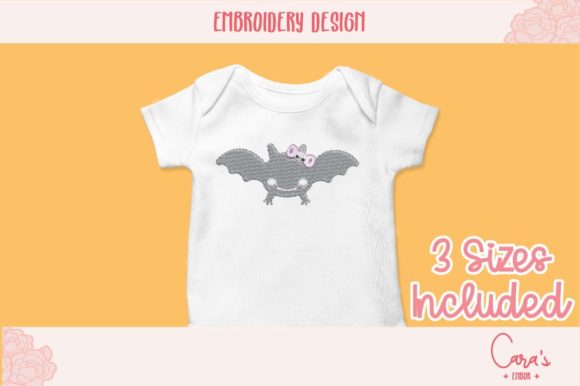
The first impression of Bow Bat is undeniably charming. In a market saturated with terrifying ghosts and gory zombies, this design offers a refreshing alternative. It feels soft, festive, and slightly whimsical rather than scary. The inclusion of a bow immediately signals that this is approachable Halloween decor, perfect for customers who want to celebrate the holiday but prefer a "farmhouse cute" or modern aesthetic over traditional horror. For a craft fair booth, this mood is crucial; it widens your potential customer base to include parents shopping for children, teachers looking for classroom decorations, and boutique owners seeking unique seasonal accents.
Maximizing Sales Across Product Lines
When setting up a display table, variety is key. You need items at different price points and functions. Bow Bat performs exceptionally well across a wide range of substrates. Imagine a stack of canvas tote bag design options; placing this unique bat front and center on a natural or black tote creates an instant bestseller. The contrast of the bow against the bat silhouette makes it pop, ensuring it catches the eye of passersby from a distance.
Beyond bags, consider the power of home goods. A set of kitchen linens featuring apron embroidery or tea towel embroidery using this motif adds a touch of seasonal fun to the kitchen without being overwhelming. Because the design is described as suitable for baby bibs, it also translates beautifully to smaller, giftable items like burp cloths or small fabric pouches. For the higher-end section of your booth, applying this design to pillow covers or even creating a standalone embroidered patch can elevate your perceived value. Patches, in particular, are a huge trend right now; customers love buying them to iron onto denim jackets or backpacks later.
The versatility of Bow Bat extends to digital sales as well. If you are a digital seller, this digital embroidery file is prime material for creating attractive printable mockup assets. Showing the design on a variety of backgrounds in your online listings helps buyers visualize the finished product, increasing conversion rates for your small shop product listings.
Practical Production and Batch Efficiency
From a production standpoint, a design must be efficient to be profitable. When evaluating Bow Bat for batch production, the simplicity of the concept suggests it likely has manageable run times, though you must verify the specific stitch density before committing to a large run. A design that is too dense can cause puckering on lighter fabrics, while one that is too sparse may look cheap. For a craft fair environment where you might be stitching on demand or pre-making dozens of units, consistency is vital.
This design appears to work effectively as both a small accent and a larger focal point. On a cap, it would serve as a cute chest or side logo, whereas on a tote bag, it could be the main event. However, scaling requires caution. Always check how the details hold up when resized. Tiny elements, like the knot of the bow or the bat's ears, can lose clarity if the design is reduced too much for things like coin purses. Conversely, blowing it up too large for a king-sized pillow might expose gaps in the satin stitching if the original file wasn't digitized for that scale.
Technical Considerations for Flawless Execution
To ensure every item leaving your booth represents high-quality craftsmanship, there are several technical factors to address before hooping your first piece. First, always test the design on scrap fabric that matches your final product. Fabric texture plays a massive role in how embroidery looks; a smooth cotton will yield crisp lines, while a textured waffle weave or terry cloth towel might obscure fine details. If you plan to use Bow Bat on thick materials like towels or denim, you may need to adjust your underlay or choose a heavier needle.
Thread contrast is another critical element. Since this is a Halloween design, classic orange, purple, and black thread palettes come to mind. However, don't be afraid to experiment. A metallic gold thread for the bow could add a premium feel, making the item feel more like a boutique treasure than a standard craft fair find. Ensure you confirm the available thread colors in your library match the digitized color stops in the embroidery file to avoid manual changes that slow down production.
Stabilizer choice cannot be overlooked. For stretchy fabrics like those used in costumes or baby bibs, a cut-away stabilizer is often necessary to prevent distortion over time. For woven fabrics like tea towels, a tear-away might suffice, but always consider the weight of the design. If Bow Bat has dense stitch areas, insufficient stabilization will lead to registration issues where the threads pull apart.
Booth Display and Customer Engagement
In the bustling environment of a handmade market, visual appeal drives traffic. Bow Bat has the potential to strengthen your booth display by adding a cohesive theme. Grouping items featuring this design together creates a "collection" feel, encouraging customers to buy multiple items—perhaps a matching tote and tea towel set. The cute factor invites interaction; customers are more likely to pick up and examine a product that makes them smile.
Photography for your online store benefits greatly from this design's clear silhouette. It photographs well in natural light, making it easy to create compelling social media content leading up to the fair. When customers see the design in person, the tactile quality of the stitches adds value that digital images cannot convey. This tangible quality reinforces the perception of a true handmade product, justifying a higher price point compared to mass-produced screen prints.
Before listing this as a commercial embroidery product, it is imperative to review the licensing terms associated with the file. Not all designs purchased online allow for unlimited commercial use. Ensure you have the rights to sell finished goods made with Bow Bat. Additionally, verify the required hoop size to ensure it fits your machine's capabilities without needing excessive re-hooping, which can introduce alignment errors.
Ultimately, Bow Bat represents the kind of strategic asset every embroidery business owner needs: a design that is versatile, visually appealing, and perfectly timed for the season. By paying attention to fabric choices, stabilizer requirements, and presentation, you can turn this single design asset into a significant revenue stream for your next craft fair or online launch.