Doll or Toy Face: A Designer's Review for Branded Merch
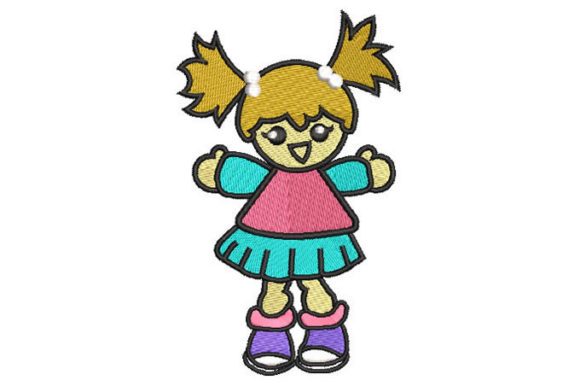
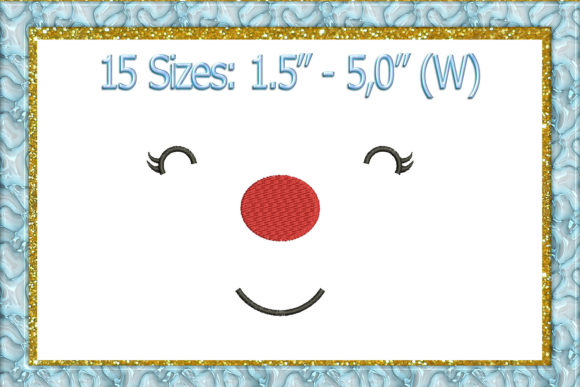
As an embroidery designer who has spent years digitizing and reviewing files for commercial use, I approach every new machine embroidery design with a critical eye toward business application. When I first encountered the Doll or Toy Face, my initial reaction was one of immediate warmth. The description promises that "everything will look better with this happy embroidery design," and visually, it delivers on that sentiment. It exudes a playful, handmade charm that feels less like a corporate logo and more like a friendly handshake. For small business owners in the boutique, bakery, or creative studio sectors, this aesthetic is gold. It signals approachability and creativity, two traits that drive customer engagement in the handmade market.
Evaluating Visual Personality for Brand Identity
The core strength of Doll or Toy Face lies in its emotional resonance. In the world of brand identity, fonts and logos often feel sterile. This design breaks that mold by introducing a human element—a smile. It feels rustic yet modern, decorative but not overly cluttered. For a florist or a pet brand, this specific visual personality can transform a standard uniform into a conversation starter. However, from a professional standpoint, we must ask: does "cute" translate to "professional"? The answer depends entirely on execution. If your brand relies on trust and warmth, this design reinforces those values. If your brand is strictly high-end luxury or industrial, this might be too whimsical. For small business merch targeting families and craft lovers, it is an ideal fit.
Real-World Applications in Commercial Embroidery
Let's move beyond theory and discuss where this digital embroidery file shines in a real-world scenario. Imagine a local coffee shop wanting to upgrade their staff uniforms. Applying Doll or Toy Face as a chest accent on a dark apron creates an instant connection with customers. It softens the barrier between server and patron. Similarly, for an Etsy seller creating custom apparel, this design works beautifully as a sleeve detail on a denim jacket or a pocket embellishment on a tote bag.
Consider the potential for embroidered patch production. Patches are a massive revenue stream for embroidery shops right now. This design, with its likely bold outlines and happy expression, would stitch up well on twill backing, creating a durable asset that customers can iron onto their own gear. It serves as excellent design assets for event merch, such as a community craft fair or a children's birthday party favor. When used on product packaging accents, like a fabric tag on a handmade doll, it elevates the perceived value of the finished product.
Critical Considerations for Production Quality
While the artistic merit is clear, a professional review must address the technical challenges. The description mentions stitching on "pillows, toys, clothing items, or anything else." As a designer, I know that "anything" rarely means "everything" without adjustments. Here is where caution is required:
- Small Patch Sizes: If you intend to shrink this design for a tiny label or a child's sock, you must verify the stitch density. High density in a small area can lead to puckering or thread breaks, ruining the clean lines of the smile.
- Curved Surfaces: Applying this to a structured cap requires careful hooping. The curvature of a cap front can distort facial features if the design isn't digitized specifically for caps. Ensure the hoop size matches your machine's capabilities for curved work.
- Fabric Texture: The description suggests versatility, but textured fabrics like heavy wool or loose linen can swallow fine details. Test the thread colors against the fabric texture to ensure the "happy" expression doesn't get lost in the weave.
- Dark Uniforms: While the design likely pops on light fabrics, check if it includes an underlay suitable for dark garments. Without proper coverage, the fabric color might show through the stitches, diminishing the professional look.
Impact on Customer Trust and Product Value
Why does this matter for your bottom line? Consistency builds trust. If you use Doll or Toy Face across your tote bag design lineup, your aprons, and your social media printable mockups, you create a cohesive visual language. Customers begin to associate that specific smile with your level of quality. It transforms a generic item into a branded experience. For handmade brands, this recognition is vital. It tells the buyer that care went into the creation, justifying a higher price point. It turns a simple transaction into an emotional purchase, which is the holy grail of retail.
Practical Notes from the Design Bench
Before you commit to running a production batch of fifty aprons or a hundred patches, follow these professional steps to ensure success with Doll or Toy Face:
- Test in Black and White: Strip away the color in your software view. Does the design still read clearly? If the face loses its definition without color contrast, you may need to adjust the stitch types before production.
- Verify Licensing: The description invites you to let "creative juices flow," but for commercial embroidery, you must confirm the license terms. Ensure you have the rights to sell finished goods featuring this design, not just use it for personal projects.
- Stabilizer Selection: Given the likely application on stretchy knits or plush toys, choose the right stabilizer. A cut-away stabilizer is often safer for items that will undergo frequent washing, ensuring the design doesn't warp over time.
- Create a Mockup: Never show a client a raw file. Generate a realistic printable mockup showing how the design looks on the actual garment. This manages expectations and secures approval before a single stitch is made.
- Check File Specifications: The product description does not list exact stitch counts or specific file formats. Always download the sample or check the product page for these technical details to ensure compatibility with your specific embroidery machine.
In conclusion, Doll or Toy Face is more than just a cute graphic; it is a strategic tool for businesses looking to inject personality into their merchandise. Whether you are decorating caps for a summer camp, creating branded labels for a toy line within the Toys category, or adding a signature touch to Embroidery hoop art, this design offers significant potential. By respecting the technical limitations and applying it with strategic intent, you can leverage this happy face to build a stronger, more recognizable brand presence.