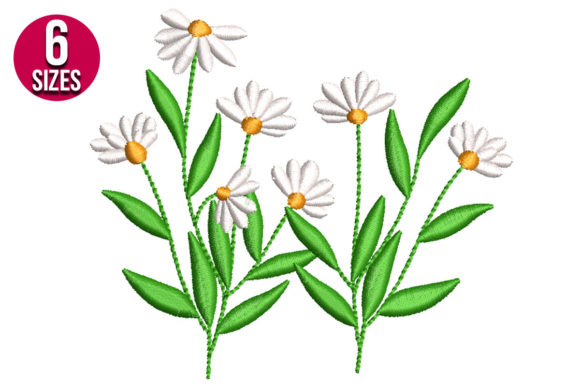
White Flowers: A Professional Review for Branded Merch
As an embroidery designer who has spent years digitizing and reviewing files for commercial use, I approach every new machine embroidery design with a critical eye. It is not just about whether a pattern looks pretty on a screen; it is about how that digital embroidery file translates into a tangible asset for a small business. Today, I am reviewing White Flowers, a floral motif that promises to motivate nature enthusiasts. My goal is to determine if this design holds up under the scrutiny of professional production for patches, uniforms, and branded merchandise.
First Impressions and Visual Personality
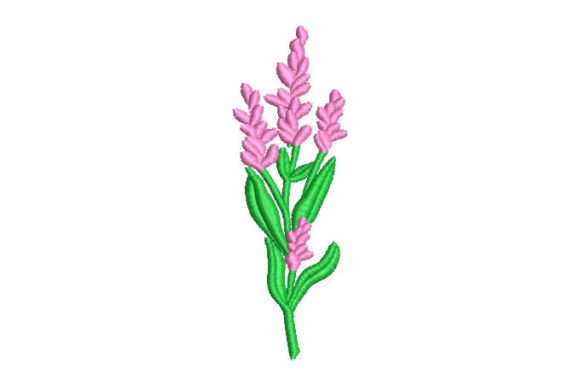
Upon loading the preview of White Flowers, the immediate impression is one of elegance and organic simplicity. Unlike some overly complex botanical designs that rely on heavy fill stitches and thousands of color changes, this piece appears to balance detail with clarity. For a brand identity rooted in natural products, such as a florist, a boutique bakery, or an eco-friendly skincare line, this aesthetic is invaluable. It feels handmade yet refined, avoiding the chaotic look of amateur digitizing.
The title suggests a focus on purity and light, which translates well into a versatile visual language. Whether your brand voice is rustic and earthy or modern and minimalist, White Flowers offers a decorative element that does not overpower the base material. In the world of small business merch, subtlety often equates to premium quality. A design that screams too loudly can cheapen a product, but a motif like this tends to elevate the perceived value of the finished product.
Real-World Applications for Small Business
The true test of any embroidery file is its versatility across different substrates. I evaluated how White Flowers would perform in several common commercial scenarios:
- Embroidered Patches: This is perhaps the strongest use case. A circular or shaped patch featuring these flowers could serve as a primary logo for a garden center or a secondary accent for a clothing brand. The floral elements provide enough detail to be interesting at a 3-inch diameter without losing definition.
- Staff Uniforms and Aprons: For a café or a creative studio, apron embroidery needs to withstand frequent washing while maintaining a crisp appearance. The open nature of the flower petals suggests good breathability in the stitch structure, reducing the risk of fabric puckering on heavy cotton twill.
- Cap Embroidery: Placing this design on the front panel of a baseball cap requires careful consideration of curvature. However, if the digitizing handles the column angles correctly, White Flowers could make for a charming, understated cap design that appeals to customers who prefer subtle branding over large, blocky logos.
- Tote Bag Design: Canvas totes are a staple for market vendors and Etsy sellers. A floral motif centered on a tote bag acts as both decoration and branding. The contrast of white thread against natural canvas or dyed fabric creates a classic, timeless look.
- Product Packaging Accents: Beyond apparel, this design could be embroidered onto fabric tags attached to handmade goods, adding a tactile element to the unboxing experience that reinforces brand recognition.
Technical Considerations and Potential Pitfalls
While the aesthetic appeal is high, a professional review must address the technical limitations. When deploying White Flowers in a commercial setting, there are specific areas where caution is required.
First, consider the stitch density. Floral designs often utilize satin columns for stems and fill stitches for petals. If the density is too high, the design may become stiff and prone to breaking on flexible fabrics. Conversely, if the density is too low, the backing material might show through, especially on dark uniforms. It is crucial to test the design on the specific fabric texture you intend to use. A rough linen will react differently than a smooth polyester blend.
Second, size matters. If you plan to use this as a tiny chest logo or a sleeve detail under two inches, you must verify that the fine details of the petals do not merge together. Small patch sizes can obscure intricate outlines, turning delicate flowers into indistinguishable blobs. Always request a physical sample before committing to a large run.
Third, thread color contrast is vital. Since the design is titled White Flowers, it implies the use of white thread. On white or light-colored garments, this will create a tonal, textured effect rather than a high-contrast image. This is sophisticated but may lack visibility from a distance. For high-visibility branding, you might need to adjust the thread colors in your embroidery software to ensure the design pops against the garment color.
Impact on Brand Identity and Customer Trust
Incorporating White Flowers into your product line does more than add decoration; it shapes customer perception. Consistency in visual assets builds trust. If your brand sells organic, handcrafted items, using a generic clip-art style logo can undermine that message. A high-quality, professionally stitched floral design signals attention to detail and care.
When customers see a well-executed embroidered patch on a jacket or a neatly stitched motif on a tote, they subconsciously associate that quality with the business itself. It suggests that the owner values craftsmanship. This is particularly important for handmade product sellers where the story behind the item is part of the sales pitch. The organic flow of the flowers supports a narrative of growth, nature, and authenticity, directly enhancing buyer engagement.
Practical Notes for the Embroidery Designer
Before integrating White Flowers into your production workflow, I recommend following these practical steps to ensure success:
- Test in Black and White First: Convert the design to a single color in your software to check the structural integrity of the stitches without the distraction of color blending.
- Verify Hoop Size: Confirm that the design fits within your available hoop size, especially if you are working with smaller hoops for caps or cuffs.
- Select the Right Stabilizer: Floral designs with varying densities often require a cut-away stabilizer for long-term durability, particularly on stretchy fabrics. Do not skimp here, as poor stabilization leads to puckering.
- Create a Printable Mockup: Before stitching a single thread, generate a printable mockup to show your client or to visualize the placement on the garment. This helps confirm scale and positioning.
- Check Commercial Licensing: The product description mentions multiple file formats, but always confirm the license terms. Ensure you have the rights to use this design asset for commercial embroidery projects and resale.
- Review File Formats: The description states the design comes with multiple formats. Ensure you have the specific extension compatible with your machine brand (e.g., .PES, .DST, .EXP) to avoid conversion errors that can ruin stitch quality.
In conclusion, White Flowers presents itself as a strong contender for businesses looking to infuse their merchandise with a touch of natural elegance. It is not merely a decorative flourish but a potential cornerstone of a cohesive brand identity. However, like any tool, its effectiveness depends on the skill of the operator and the suitability of the application. By respecting the technical constraints of custom apparel production and testing thoroughly, small business owners can leverage this design to create memorable, high-value products that resonate with their audience.