Mini Bloody Zombie Handprint: A Pro Review for Business Merch
As an embroidery designer who spends most of my days digitizing logos and troubleshooting stitch-outs for small businesses, I approach every new machine embroidery design with a critical eye. It is not just about whether a pattern looks cute on a screen; it is about how that digital embroidery file translates into a tangible asset that builds brand identity. Today, I am reviewing the Mini Bloody Zombie Handprint, a seasonal design that holds surprising potential for specific niches within the commercial embroidery market.
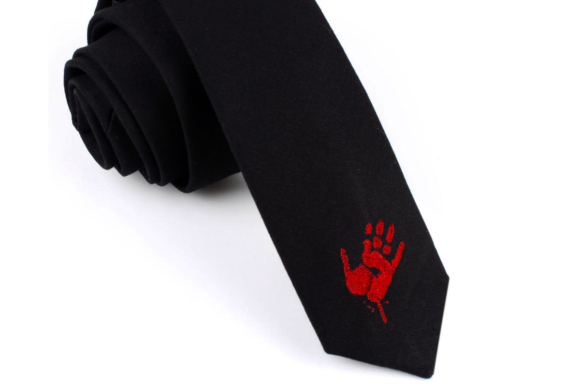
Upon first inspection, the Mini Bloody Zombie Handprint does not scream "corporate professionalism" in the traditional sense. Instead, it exudes a bold, playful, and slightly rustic energy. The dripping handprint motif suggests movement and texture, making it feel handmade rather than sterile. For businesses operating in the creative, entertainment, or niche retail sectors, this visual personality is a goldmine. It is decorative yet aggressive enough to grab attention, making it an excellent candidate for brands that want to show they have a sense of humor or a connection to pop culture.
Real-World Applications for Small Business Merch
The true test of any embroidery file is its versatility in real-world scenarios. While this design is categorized under Halloween, its utility extends beyond October for the right clientele. Imagine a local haunted house attraction, a horror-themed escape room, or a boutique coffee shop that leans into a gothic aesthetic. For these entities, the Mini Bloody Zombie Handprint serves as a perfect embroidered patch for staff uniforms.
Consider a bakery that specializes in dark chocolate desserts or spooky-themed treats. Applying this design as a chest logo accent on black aprons creates an immediate thematic connection with customers. The "dripping" element of the handprint mimics icing or sauce, adding a layer of contextual cleverness to the apron embroidery. Similarly, for an Etsy seller creating limited-edition tote bags, this design acts as a high-value tote bag design element. When stitched onto canvas, the texture of the threads enhances the "bloody" effect, turning a simple bag into a collectible piece of small business merch.
I also see strong potential for cap embroidery. A curved brim can be tricky, but because this is a "mini" design, it fits well on the front panel of a baseball cap or beanie without overwhelming the structure. For event merch creators, offering these as add-ons to ticket packages for Halloween festivals can significantly boost revenue. It transforms a standard uniform into a conversation starter, enhancing buyer engagement and making the finished product feel exclusive.
Technical Considerations and Placement Strategy
However, enthusiasm must be tempered with technical precision. The Mini Bloody Zombie Handprint requires careful handling regarding placement and fabric choice. The description notes it is a "scary mini" design, which implies small dimensions. When working with small patches or detailed outlines, stitch density becomes a critical factor. If the density is too high on a small scale, the threads may bunch up, causing the "dripping" details to merge into a solid blob. Conversely, if the density is too low, the fabric might show through, ruining the illusion of a fresh handprint.
You must exercise caution when applying this to textured fabrics. Heavy canvas or rough linen can interfere with the fine details of the drip effects. Furthermore, dark uniforms are the natural home for this design, but you must verify the thread colors included in the file. Does the red pop sufficiently against black or navy blue? A professional review always involves checking contrast ratios to ensure the design remains legible from a distance.
There are also limitations regarding frequent washing. Items like staff aprons or work shirts undergo rigorous cleaning cycles. The edges of a handprint design, especially with irregular "drip" outlines, are prone to fraying if not properly secured. For items that will be washed weekly, I recommend treating this as a patch that is sewn on with a merrowed edge, rather than a direct-to-garment stitch, to ensure longevity. Always confirm the recommended hoop size before starting; trying to force a design into a hoop that is too tight can distort the proportions, making the hand look stretched rather than slapped on.
Impact on Brand Identity and Customer Trust
Integrating a design like the Mini Bloody Zombie Handprint into your product line sends a specific message about your brand. It signals that you are approachable, trendy, and attentive to cultural moments. For a handmade brand, using such a specific, thematic design asset demonstrates creativity and effort, which fosters customer trust. It shows that you are not just slapping a generic logo on a shirt but are curating an experience.
Visual consistency is key. If your brand is generally elegant and minimalist, this design might clash. However, if your brand identity is built on fun, community, and seasonal engagement, this design reinforces those values. It adds value to the product, allowing you to charge a premium for what is perceived as a limited-edition or custom item. In the world of custom apparel, distinctiveness drives sales, and a well-executed zombie handprint is certainly distinctive.
Essential Designer Notes for Production
Before you commit to producing a run of merchandise featuring the Mini Bloody Zombie Handprint, follow these practical steps to ensure quality control:
- Test in Black and White First: Print a grayscale version of the design to check if the contrast holds up without relying on color. This ensures the shape is recognizable even if thread availability is an issue.
- Verify Small Scale Performance: Stitch a test sample at the exact size you intend to use for patches. Check if the fine lines of the drips hold together or if they break apart.
- Inspect Spacing and Density: Look closely at the transition between the handprint and the background. Ensure there is no excessive pull or puckering.
- Use Proper Stabilizer: Given the likely irregular shape and potential density, a cut-away stabilizer is often safer than tear-away for garments that will be worn and washed frequently.
- Create a Printable Mockup: Before stitching, generate a printable mockup to show clients exactly how the design will look on their specific garment color and fabric type.
- Confirm Commercial Licensing: The product description mentions multiple file formats, but always double-check the license terms. Ensure you have the rights to use this for commercial embroidery projects and resale.
Finally, remember that the product description states the file comes in multiple formats, but it does not specify exact stitch counts or precise hoop limitations. It is vital to open the file in your editing software to inspect these details before promising a delivery date to a client. By treating the Mini Bloody Zombie Handprint with the same rigor as a corporate logo, you can turn a seasonal novelty into a profitable, high-quality component of your small business inventory.